
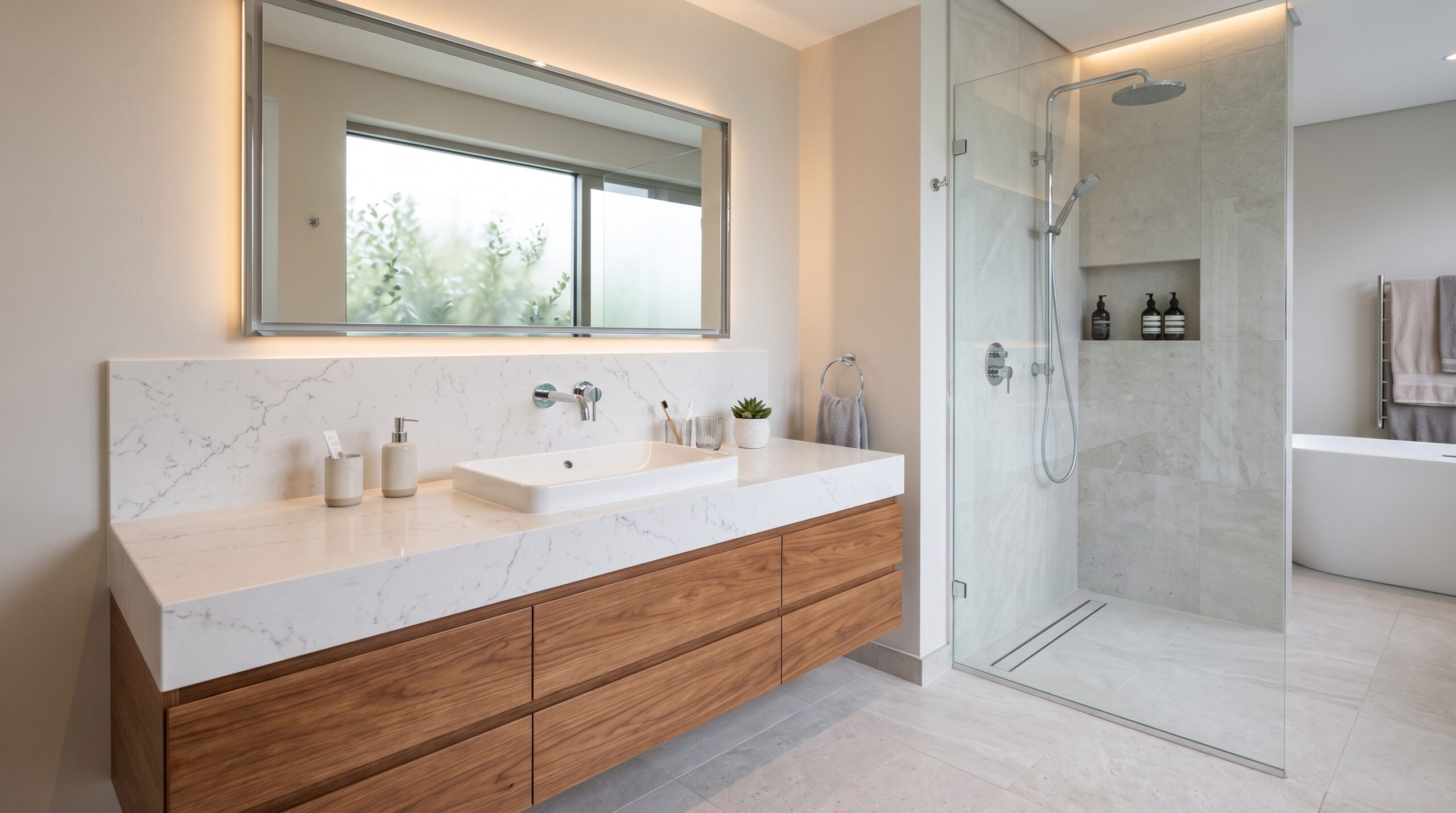
A bathroom should be more than just a practical space. The right materials can make it feel clean, comfortable, modern, and visually appealing. One material that has become increasingly popular for bathroom design is quartz stone. It offers the elegant appearance of natural stone while providing a durable and low-maintenance surface for everyday use.
From bathroom countertops and vanity tops to shower walls and backsplashes, quartz can be used in several ways. It is available in many colors, patterns, and finishes, making it easy to match different interior styles.
In this guide, we will explore the main benefits of using quartz stone in bathrooms, popular design styles, and practical tips to help you choose and maintain it.
What Is Quartz Stone?
Quartz stone is an engineered surface made primarily from natural quartz crystals combined with resins, pigments, and other materials. Unlike natural stones such as marble and granite, quartz is manufactured under controlled conditions, which allows manufacturers to create consistent colors and patterns.
Modern quartz can be designed to resemble marble, concrete, limestone, or other natural stones. This gives homeowners plenty of design choices without requiring the same level of maintenance associated with some natural stone surfaces.
Quartz is particularly suitable for bathrooms because it provides a hard, smooth, and non-porous surface.
Why Use Quartz Stone in Bathrooms?
Bathrooms are exposed to water, humidity, cosmetics, cleaning products, and frequent daily use. Choosing the right surface material is therefore important.
Here are some of the main advantages of quartz stone.
1. Water-Resistant Surface
Quartz has a non-porous structure, which means water is less likely to penetrate the surface. This makes it a practical option for bathroom vanities, countertops, and other areas that regularly come into contact with moisture.
Unlike porous natural stones, quartz generally does not require regular sealing to help protect it from water absorption.
However, proper installation is still important. Water can enter through poorly sealed joints or around sinks and fixtures, so these areas should receive appropriate attention during installation.
2. Easy to Clean
A bathroom needs regular cleaning, and a surface that is easy to maintain can save time.
Quartz can normally be cleaned with a soft cloth, warm water, and a mild soap or suitable surface cleaner. Its smooth surface also provides fewer places for dirt and residue to accumulate.
For everyday bathroom maintenance, simple cleaning is usually enough to keep quartz looking attractive.
3. Durable for Everyday Use
Quartz is known for its durability. A properly installed quartz vanity or countertop can handle regular bathroom activities such as washing, grooming, and placing toiletries on the surface.
It is resistant to everyday scratches and impacts, although it is not completely scratch-proof. Heavy objects should not be dropped onto the surface, and abrasive cleaning materials should be avoided.
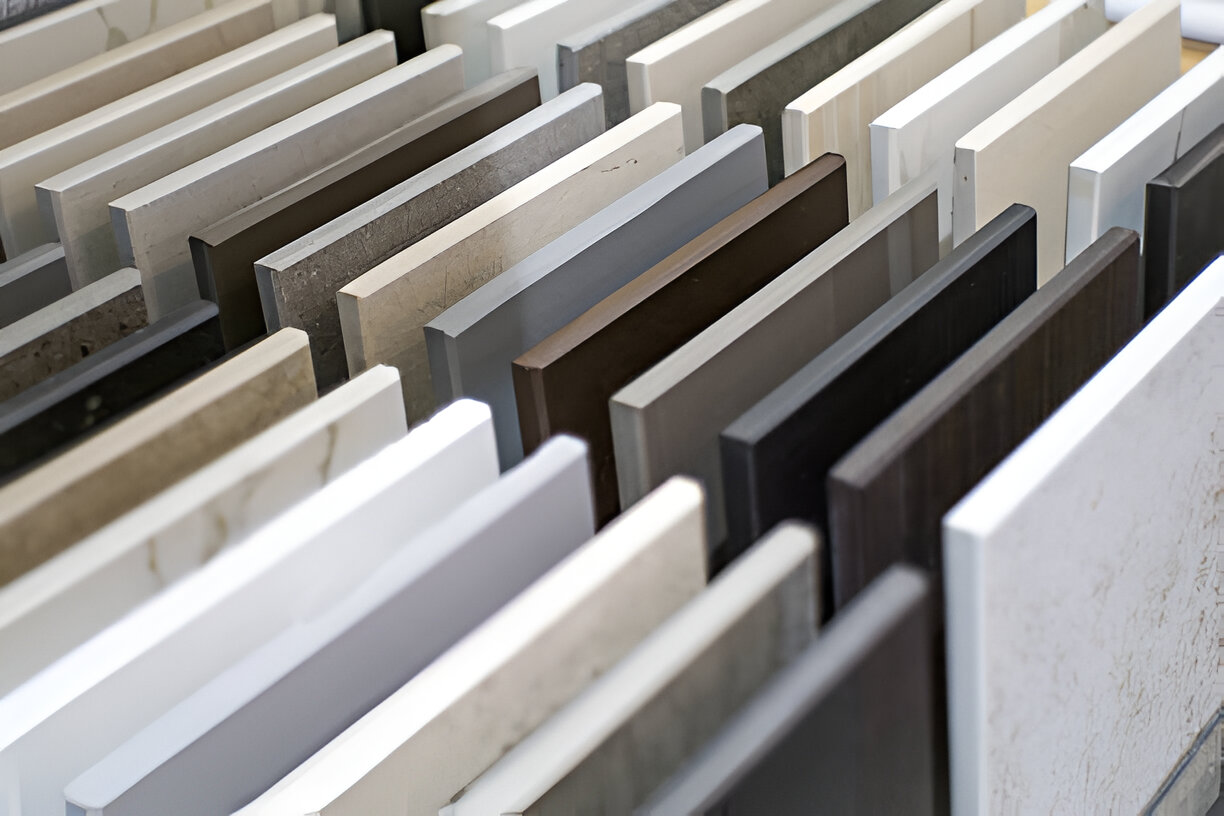
4. Wide Range of Colors and Patterns
One of the biggest advantages of quartz is design flexibility.
You can find quartz in:
- White and cream
- Grey and charcoal
- Beige and brown
- Black
- Marble-look patterns
- Concrete-inspired designs
- Subtle veining
- Bold decorative patterns
This makes it suitable for both traditional and contemporary bathrooms.
For example, white quartz with soft grey veins can create a marble-inspired luxury look, while dark grey quartz can give a modern bathroom a stronger and more dramatic appearance.
5. Low Maintenance
Some natural stones require periodic sealing and more careful maintenance. Quartz generally requires less ongoing maintenance because its surface is non-porous.
This can make it a convenient choice for homeowners who want a premium appearance without spending a lot of time on surface care.
Popular Ways to Use Quartz in Bathrooms
Quartz is not limited to one area of the bathroom. Depending on your design and budget, it can be used in several applications.
Quartz Vanity Tops
Vanity countertops are one of the most common bathroom applications for quartz.
A quartz vanity top can create a clean, seamless appearance around the sink. White quartz works particularly well in smaller bathrooms because its light appearance can help create a brighter and more open feeling.
For larger bathrooms, darker quartz can provide contrast against lighter cabinets and walls.
Quartz Shower Walls
Quartz panels can also be used on shower walls. Large-format surfaces can reduce the number of visible joints compared with smaller tiles.
This can create a cleaner visual appearance while also making cleaning easier.
When using quartz in a shower area, professional installation is important. Waterproofing behind the surface should be properly planned because the quartz itself should not be treated as a replacement for a complete waterproofing system.
Quartz Bathroom Backsplashes
A quartz backsplash can complement a vanity countertop while protecting the wall behind the sink from splashes.
You can use the same quartz design for both the vanity and backsplash for a coordinated look, or choose a contrasting material to create visual interest.
Quartz Shelves and Ledges
Small quartz pieces can also be used for bathroom shelves, shower ledges, and storage surfaces.
This is a useful way to introduce quartz into a bathroom without covering large areas with the material.
Popular Quartz Bathroom Styles
The right quartz design can dramatically change the appearance of a bathroom.
Modern Minimalist
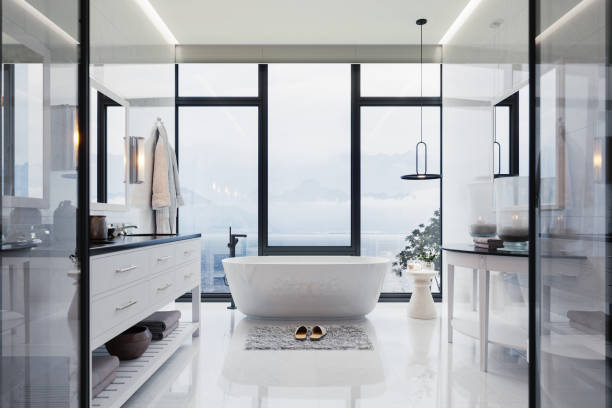
For a minimalist bathroom, consider white or light-grey quartz with subtle patterns. Combine it with simple cabinets, frameless mirrors, clean lines, and minimal decorative elements.
The result is a bright and uncluttered space.
Marble-Inspired Luxury
If you love the appearance of marble but want a lower-maintenance engineered surface, marble-look quartz can be an attractive option.
Choose a white base with grey or soft beige veining. Pair it with elegant lighting, brushed metal fixtures, and large mirrors for a luxurious bathroom design.
Dark and Dramatic
Dark quartz can create a bold bathroom statement. Black or deep charcoal surfaces can work especially well with light-colored walls and warm lighting.
For a balanced look, combine dark quartz with wooden cabinetry or lighter flooring.
Warm and Natural
Beige, cream, and warm-toned quartz can create a comfortable and welcoming bathroom.
These shades work well with natural wood cabinets, warm lighting, and earthy accessories.
Tips for Choosing Quartz for Your Bathroom
Choosing a quartz design involves more than selecting a color you like. Consider the overall bathroom design and how the surface will be used.
Consider the Size of the Bathroom
Light-colored quartz can make a smaller bathroom feel brighter and more spacious. Dark quartz can still work in small bathrooms, but it may create a heavier visual effect.
For larger bathrooms, you have more freedom to experiment with darker colors and stronger patterns.
Match the Quartz With Your Cabinets
Your vanity cabinets and quartz countertop should complement each other.
For example, white quartz can work with:
- Natural wood
- White cabinets
- Grey cabinets
- Dark blue cabinets
- Black cabinets
If your cabinets already have a strong color or pattern, a simpler quartz design may create a more balanced appearance.
Think About Veining
Quartz with heavy veining can become the main feature of a bathroom. Subtle veining provides a more understated appearance.
Before choosing a heavily patterned slab, look at a larger sample if possible. Small samples may not accurately show how the pattern will look across an entire vanity or wall.
Check the Finish
Quartz is available in different finishes. A polished surface provides a smooth and reflective appearance, while other finishes can offer a softer or more natural visual effect.
Your choice should depend on the style of the bathroom and the manufacturer’s recommendations for the intended application.
How to Maintain Quartz in a Bathroom
Quartz is relatively easy to maintain, but good cleaning habits can help preserve its appearance.
Clean spills and cosmetic products promptly rather than allowing them to remain on the surface for long periods.
Use a soft cloth or non-abrasive sponge with mild soap and water for regular cleaning. Avoid harsh chemicals, abrasive powders, steel wool, and rough cleaning pads unless the manufacturer specifically approves them.
It is also important to follow the care instructions provided by the quartz manufacturer. Different products may have specific cleaning recommendations.
Avoid Excessive Heat
Quartz is durable, but extreme or sudden heat can potentially damage the resin components used in engineered quartz. Avoid placing extremely hot items directly on bathroom quartz surfaces.
Avoid Cutting or Scraping Directly on the Surface
Although quartz is scratch-resistant, it is not completely scratch-proof. Do not use the countertop as a cutting or heavy-duty work surface.
Is Quartz Stone Right for Your Bathroom?
Quartz can be a practical choice for homeowners looking for a combination of durability, easy maintenance, and design flexibility.
It works particularly well for vanity tops, backsplashes, shower applications, shelves, and other bathroom surfaces when the product is selected and installed appropriately.
The biggest advantage is its ability to combine a premium stone-like appearance with relatively simple maintenance. With many colors and patterns available, quartz can fit almost any bathroom design, from simple minimalist interiors to luxurious marble-inspired spaces.
Final Thoughts
Using quartz stone in a bathroom can improve both its appearance and everyday functionality. Its wide selection of colors, durable surface, low maintenance requirements, and resistance to moisture make it a popular option for modern bathroom projects.
Whether you want a bright minimalist bathroom, a marble-inspired luxury space, or a bold contemporary design, there is likely a quartz style that can complement your vision.
Before making a final decision, compare different quartz samples, consider your cabinets and flooring, check the manufacturer’s recommendations, and work with an experienced installer. A well-selected and properly installed quartz surface can provide an attractive bathroom finish that remains practical for years to come.



Leave A Comment