
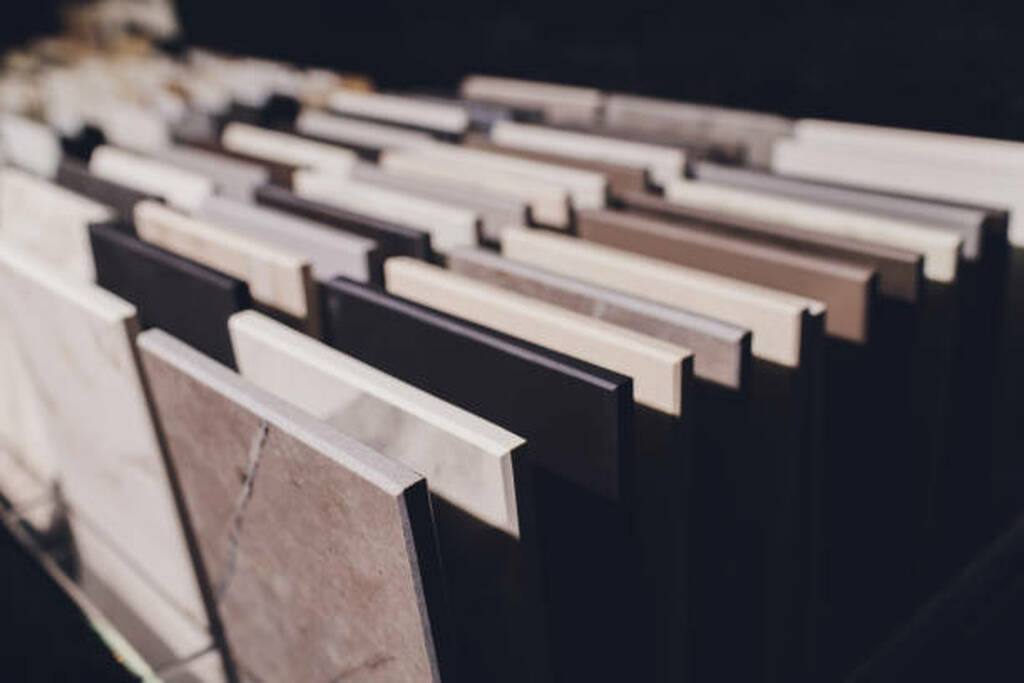
Quartz slabs have become one of the most popular surface materials in modern homes and commercial spaces. You will often see them used in kitchens, bathrooms, offices, hotels, and retail stores. People like quartz slabs because they look elegant, last for many years, and need very little maintenance.
Many people think quartz slabs are natural stone, but this is not fully true. Quartz slabs are engineered stone products. They are carefully manufactured using natural quartz and advanced technology. This controlled process gives quartz slabs their strength, beauty, and consistency.
In this article, we will explain how quartz slabs are manufactured, step by step, in simple words.
What Are Quartz Slabs Made Of?
Before understanding the manufacturing process, it is important to know the materials used.
Quartz slabs are made from:
-
Natural quartz crystals (about 90–95%)
-
Resins and binders (about 5–10%)
-
Pigments for color
-
Sometimes small decorative elements like mirror chips or glass
Quartz is one of the hardest minerals found in nature. This is why quartz slabs are strong and durable.
Step 1: Mining Natural Quartz
The process starts with mining natural quartz.
Quartz is found in large rocks deep inside the earth. These rocks are extracted from quarries using heavy machinery. Once removed, the quartz rocks are transported to processing plants.
At the plant, the quartz is:
-
Cleaned to remove dirt and impurities
-
Checked for quality
-
Prepared for crushing
Only high-quality quartz is used to make slabs. Poor-quality material is rejected early.
Step 2: Crushing the Quartz
After cleaning, the quartz rocks are crushed into smaller pieces.
Special machines break the quartz into:
-
Fine powder
-
Small granules
-
Medium-sized particles
Different particle sizes are important. They help create a strong slab and give it a natural stone look.
The crushed quartz is then sorted by size to ensure consistency.
Step 3: Mixing Quartz With Resin and Pigments
Now the crushed quartz is ready to be mixed.
Manufacturers combine:
-
Quartz particles
-
Resin binders
-
Color pigments
This mixture is blended in large industrial mixers.
The resin acts like glue. It holds the quartz particles together. Pigments are added to create different colors, patterns, and designs. This step allows manufacturers to produce slabs that look like marble, granite, or completely unique styles.
Because this process is controlled, quartz slabs have consistent color and pattern, unlike natural stone.
Step 4: Molding the Slabs
Once the mixture is ready, it is poured into molds.
These molds determine:
-
Slab size
-
Thickness
-
Surface texture
Most quartz slabs are made in large rectangular shapes. Common thickness options include 12mm, 20mm, and 30mm.
At this stage, the material still looks soft and unfinished.
Step 5: Vacuum and Vibro-Compression
This is one of the most important steps in manufacturing quartz slabs.
The filled molds go into a special machine that uses:
-
Vacuum pressure
-
Strong vibrations
This process is called vibro-compression.
The vacuum removes air bubbles from the mixture. Vibrations compress the material tightly together. This step:
-
Increases strength
-
Removes weak spots
-
Makes the slab dense and solid
Without this step, the slab would crack or break easily.
Step 6: Curing and Hardening
After compression, the slabs are cured.
Curing means heating the slabs at a controlled temperature. This allows the resin to harden fully.
During curing:
-
The slab becomes strong and stable
-
The surface becomes firm
-
The internal structure locks together
This step can take several hours, depending on the manufacturer and slab thickness.
Step 7: Cooling and Inspection
Once curing is complete, the slabs are slowly cooled.
After cooling, each slab is carefully inspected. Manufacturers check:
-
Color consistency
-
Surface quality
-
Structural strength
-
Thickness accuracy
Any slab with defects is removed. Only perfect slabs move forward.
Step 8: Surface Polishing
Now the slabs are polished.
Large polishing machines use diamond pads to smooth the surface. This step gives quartz slabs their final finish.
Common finishes include:
-
Polished (shiny and reflective)
-
Honed (smooth but matte)
-
Leathered (slightly textured)
Polishing also enhances the color and pattern of the slab.
Step 9: Cutting and Edge Finishing
After polishing, slabs may be cut into standard sizes or customized dimensions.
Advanced cutting machines ensure:
-
Clean edges
-
Accurate measurements
-
Minimal waste
Edges can also be shaped based on design needs. Popular edge styles include straight, beveled, bullnose, and ogee.
Step 10: Final Quality Control and Packaging
Before shipping, slabs go through final quality control.
Inspectors check:
-
Surface smoothness
-
Color uniformity
-
Structural integrity
-
Finish quality
Once approved, slabs are packed carefully using protective materials. This prevents damage during transportation.
The slabs are then shipped to distributors, fabricators, or construction sites.
Why Quartz Slabs Are Manufactured This Way
The manufacturing process of quartz slabs offers many advantages.
Because it is engineered:
-
Quality remains consistent
-
Colors are controlled
-
Patterns can be customized
-
Waste is minimized
This process also makes quartz slabs stronger than many natural stones.
Benefits of Manufactured Quartz Slabs
Here are some key benefits:
1. High Durability
Quartz slabs resist scratches, cracks, and chips.
2. Low Maintenance
They do not need sealing like marble or granite.
3. Non-Porous Surface
Quartz does not absorb liquids easily. This makes it resistant to stains and bacteria.
4. Wide Design Options
Manufacturing allows endless colors and patterns.
5. Long Lifespan
With proper care, quartz slabs last for decades.
Are Quartz Slabs Eco-Friendly?
Many manufacturers focus on sustainability.
Some use:
-
Recycled quartz
-
Low-emission resins
-
Energy-efficient machinery
Because quartz slabs last a long time, they reduce the need for replacement. This also helps lower environmental impact.
Conclusion
Quartz slabs are not simply cut from stone. They are carefully engineered using advanced technology and natural materials. The manufacturing process includes mining, crushing, mixing, compressing, curing, polishing, and strict quality control.
Each step is important. Together, they create a surface that is strong, beautiful, and reliable.
Understanding how quartz slabs are manufactured helps you appreciate their value. It also explains why they are one of the best choices for modern interiors.


Leave A Comment