
Your kitchen is the heart of your home. It is where food is prepared every day.
Because of this, the materials in your kitchen matter a lot.
Many kitchen surfaces contain chemicals. These chemicals can move into food over time.
Choosing non-toxic surfaces helps protect your health and your family.
This guide will help you choose safe kitchen surfaces.
It is simple and easy to understand.
Why Non-Toxic Kitchen Surfaces Are Important
Some kitchen materials release harmful substances.
These substances can cause health problems over time.
Common risks include:
-
Chemical exposure
-
Indoor air pollution
-
Food contamination
Non-toxic surfaces reduce these risks.
They also create a cleaner and safer cooking space.
Common Toxic Materials to Avoid
Before choosing safe materials, it is good to know what to avoid.
Laminate Surfaces
Many laminates contain formaldehyde.
This chemical can affect breathing and skin.
Low-Quality Plastic
Plastic can release harmful chemicals when heated.
This is risky near stoves and hot food.
Painted or Treated Wood
Some paints and finishes contain toxic chemicals.
These can release fumes over time.
Best Non-Toxic Kitchen Surface Options
Here are safer choices for a healthy kitchen.
1. Stainless Steel
Stainless steel is very popular.
It is safe and easy to clean.
Benefits:
-
Non-porous surface
-
No chemical release
-
Resistant to bacteria
-
Long-lasting
It is commonly used for countertops and sinks.
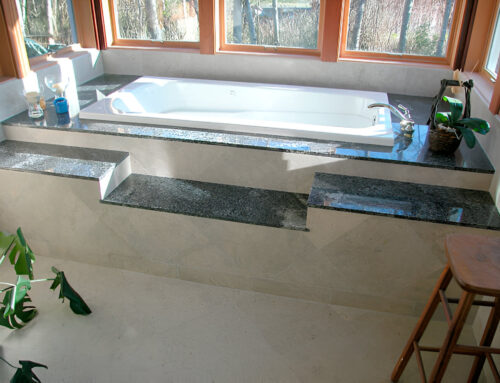
2. Natural Stone (Granite and Marble)
Natural stone is a strong and natural option.
It does not contain harmful chemicals.
Things to know:
-
Choose stone with low sealing chemicals
-
Use natural sealers if needed
Granite and marble look elegant and last for years.
3. Solid Wood with Natural Finish
Solid wood can be a safe choice.
Only if it has a natural finish.
Tips:
-
Use oils like linseed or beeswax
-
Avoid synthetic coatings
Wood adds warmth and beauty to the kitchen.
4. Bamboo Surfaces
Bamboo is eco-friendly and fast-growing.
It is also safe when properly treated.
Why bamboo is good:
-
Renewable material
-
Strong and durable
-
Low chemical use
Make sure the glue used is non-toxic.
5. Quartz (Low-VOC Certified)
Quartz is engineered but can still be safe.
Choose brands with low-VOC certification.
Advantages:
-
Non-porous
-
Easy to maintain
-
Resistant to stains
Always check safety labels before buying.
How to Check If a Surface Is Non-Toxic
Use these simple tips when shopping:
-
Look for low-VOC or zero-VOC labels
-
Ask about chemical content
-
Choose natural or certified materials
-
Avoid strong chemical smells
Certifications are a good sign of safety.
Non-Toxic Backsplash and Wall Surfaces
Kitchen safety is not only about countertops.
Safe backsplash options include:
-
Ceramic tiles
-
Glass tiles
-
Natural stone tiles
These materials are easy to clean and chemical-free.
Maintenance Tips for a Healthy Kitchen
Even safe surfaces need proper care.
-
Use natural cleaners like vinegar and baking soda
-
Avoid harsh chemical sprays
-
Clean spills quickly
Good maintenance keeps surfaces safe for longer.
Final Thoughts
Choosing non-toxic kitchen surfaces is a smart decision.
It protects your health and improves your home environment.
Focus on natural materials.
Check safety labels.
Avoid harmful chemicals.
A healthy kitchen leads to a healthy life.
Leave A Comment