
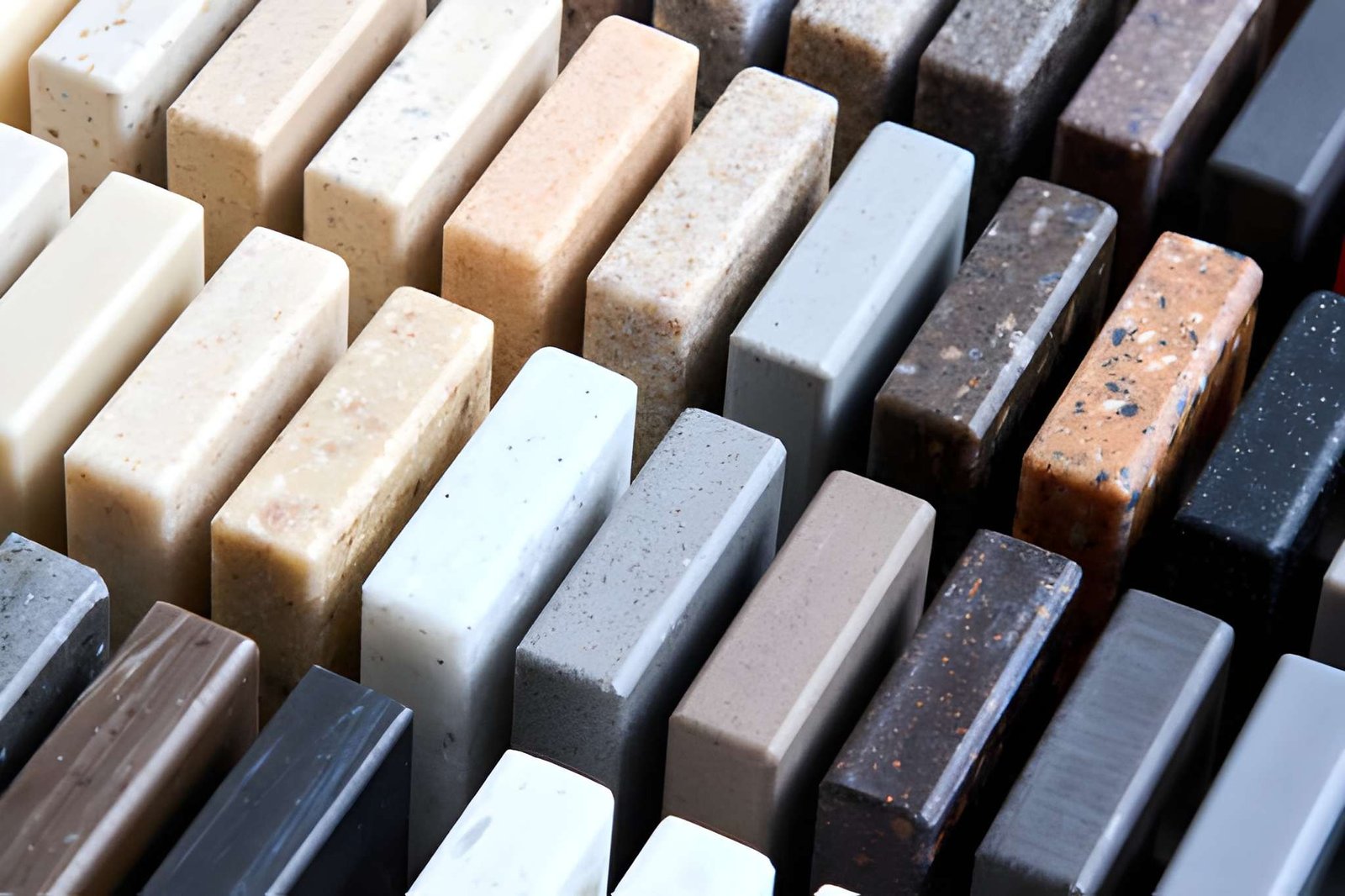
Quartz countertops are one of the most popular choices for modern kitchens and bathrooms. They look elegant. They are strong. And they are easy to maintain.
But when you plan to install a quartz countertop, one important question comes up:
What thickness should you choose?
Many homeowners focus only on color and design. Thickness is often ignored. But it plays a big role in strength, cost, and overall appearance.
In this guide, you will learn everything about quartz countertop thickness in simple and clear language.
What Is Quartz Countertop Thickness?
Quartz countertop thickness means how thick the slab of quartz stone is from top to bottom.
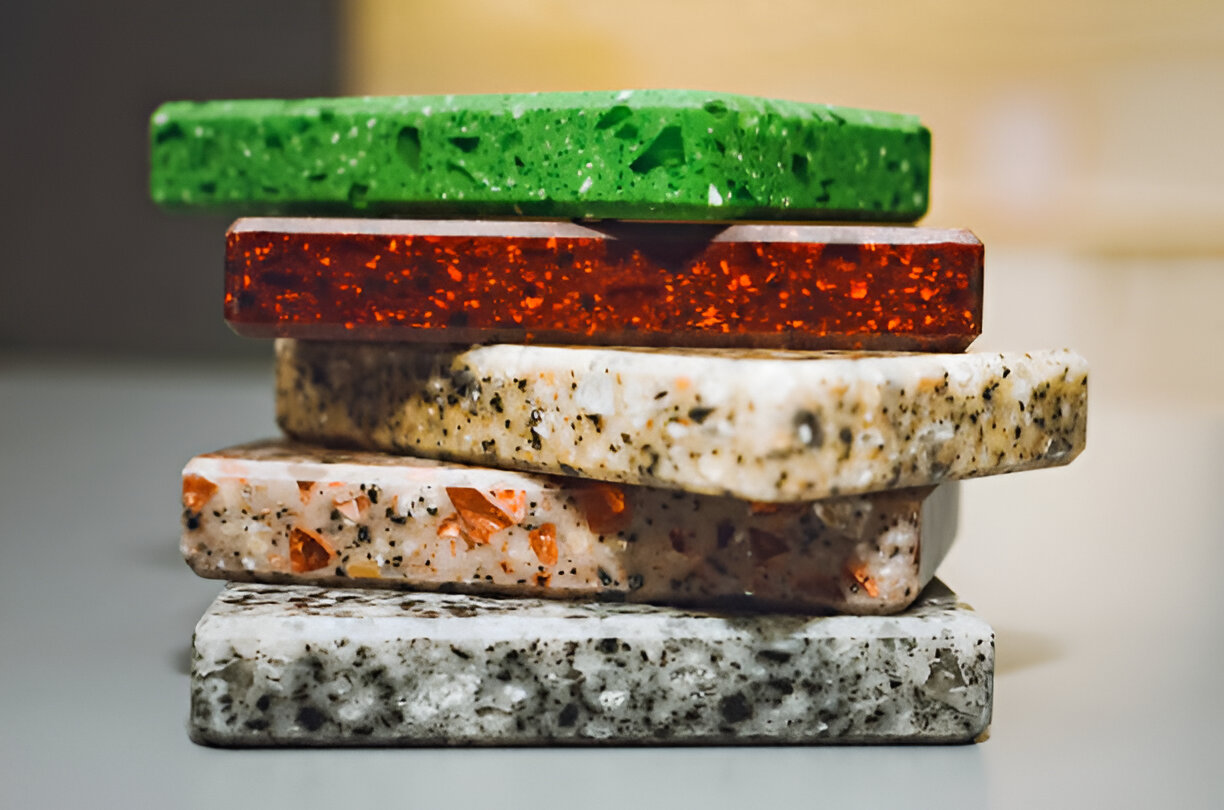
Quartz countertops are made from engineered stone. They are created by mixing natural quartz crystals with resin and pigments. Popular brands like Caesarstone, Silestone, and Cambria produce slabs in different thickness options.
The thickness you choose affects:
-
Strength
-
Durability
-
Weight
-
Edge style
-
Price
-
Overall look
That is why it is important to understand your options before making a decision.
Standard Quartz Countertop Thickness Options
Quartz countertops usually come in three standard thicknesses:
1. 1 cm (10 mm)
This is the thinnest option. It is about 3/8 inch thick.
Best for:
-
Wall cladding
-
Bathroom vanities
-
Decorative panels
-
Areas with full support underneath
1 cm slabs are not commonly used for kitchen countertops unless they have strong plywood support underneath.
They are lightweight. They cost less. But they are not ideal for heavy daily use without reinforcement.
2. 2 cm (20 mm)
This thickness is about 3/4 inch.
It is a popular option for modern kitchens.
Best for:
-
Kitchen countertops
-
Bathroom counters
-
Laundry rooms
-
Minimalist designs
2 cm quartz usually needs plywood support underneath. But it still provides good strength and durability.
Many people choose this option because:
-
It looks sleek
-
It costs less than 3 cm
-
It works well with modern cabinets
3. 3 cm (30 mm)
This is about 1 1/4 inches thick.
It is the most common choice for kitchen countertops.
Best for:
-
High-traffic kitchens
-
Large islands
-
Overhangs
-
Heavy-use surfaces
3 cm quartz is very strong. It usually does not need plywood support underneath. It can handle daily cooking, heavy pots, and appliances.
It also gives a bold and premium look.
Which Thickness Is Best for Kitchens?
For most kitchens, 3 cm quartz is the best choice.
Here is why:
-
It is stronger
-
It supports overhangs better
-
It looks solid and luxurious
-
It does not need extra support
If your kitchen island has seating space, 3 cm is recommended. It reduces the risk of cracks or damage.
However, if you are on a tight budget and have proper cabinet support, 2 cm quartz can also work well.
Which Thickness Is Best for Bathrooms?
Bathrooms usually do not face heavy impact.
For bathroom vanities:
-
2 cm is more than enough
-
1 cm can work with proper support
If you want a modern and slim look, 2 cm is a good option.
If you want a thicker and premium feel, you can choose 3 cm.
Does Thickness Affect Durability?
Yes, thickness does affect durability.
Thicker slabs are:
-
Stronger
-
More resistant to bending
-
Less likely to crack
But remember, quartz is already strong because it is engineered stone. Even 2 cm quartz is durable for normal use.
The difference becomes more noticeable in:
-
Large kitchen islands
-
Countertops with long overhangs
-
Commercial kitchens
What About Overhang Support?
Overhang means the part of the countertop that extends beyond the cabinet.
For example:
-
Kitchen islands with seating
-
Breakfast bars
Here is a simple rule:
-
2 cm quartz → usually supports 8–10 inches without brackets
-
3 cm quartz → can support 12–14 inches without brackets
If you want a larger overhang, you may need metal brackets or corbels.
Always discuss this with your fabricator before installation.
Does Thickness Change the Look?
Yes, it changes the visual appearance.
Thin (2 cm)
-
Modern
-
Minimal
-
Clean lines
-
Lightweight look
Thick (3 cm)
-
Bold
-
Strong
-
Premium
-
Traditional or luxury feel
Some homeowners even create a “mitered edge” look. This means joining two pieces to make the edge appear thicker without using a full thick slab.
This technique gives a dramatic look without increasing the full slab cost.
Cost Difference Between Thickness Options
Thickness affects price.
In general:
-
1 cm → lowest cost
-
2 cm → medium cost
-
3 cm → highest cost
Why does thicker quartz cost more?
Because:
-
More material is used
-
It is heavier
-
It is harder to transport
-
Installation requires more labor
However, price also depends on:
-
Brand
-
Color
-
Finish
-
Location
-
Installation complexity
Premium brands may charge more for special designs and textures.
Weight Considerations
Quartz is heavy.
Here is a rough idea:
-
2 cm quartz → around 10–12 pounds per square foot
-
3 cm quartz → around 18–20 pounds per square foot
Because of this weight:
-
Cabinets must be strong
-
Installation must be done carefully
-
Large slabs need professional handling
Never try to install quartz yourself. It can break or cause injury.
Does Thickness Affect Maintenance?
No. Thickness does not change maintenance needs.
Quartz is:
-
Non-porous
-
Stain resistant
-
Scratch resistant
-
Easy to clean
You do not need sealing like natural granite.
Just clean with:
-
Mild soap
-
Warm water
-
Soft cloth
Avoid harsh chemicals and extreme heat.
Edge Profiles and Thickness
Thickness can affect the edge style you choose.
Common edge styles include:
-
Straight edge
-
Beveled edge
-
Bullnose
-
Ogee
Thicker slabs allow more detailed and decorative edge designs.
If you want a dramatic edge style, 3 cm quartz gives more flexibility.
Is Thicker Always Better?
Not always.
It depends on:
-
Your budget
-
Your design style
-
Your usage needs
-
Cabinet strength
-
Kitchen layout
If you want a clean and modern look, 2 cm might be perfect.
If you want strength and luxury, 3 cm is better.
There is no single answer for everyone.
Common Mistakes to Avoid
Here are some common mistakes homeowners make:
1. Choosing Only Based on Price
Cheaper is not always better. Think long-term.
2. Ignoring Cabinet Support
Make sure your cabinets can handle the weight.
3. Not Planning Overhang Properly
Always measure and plan seating space carefully.
4. Skipping Professional Advice
Talk to your installer before finalizing thickness.
Questions to Ask Before Choosing Thickness
Before you decide, ask yourself:
-
Will this countertop have seating?
-
Do I want a bold or slim look?
-
What is my budget?
-
Are my cabinets strong enough?
-
Is this for a kitchen or bathroom?
These answers will guide you toward the right choice.
Final Thoughts
Quartz countertop thickness is more important than many people think.
The three main options are:
-
1 cm
-
2 cm
-
3 cm
For kitchens, 3 cm is usually the best choice. It is strong and long-lasting.
For bathrooms, 2 cm works very well.
Always balance design, strength, and budget before making your final decision.
Quartz countertops are an investment. Choosing the right thickness will help you enjoy beauty and durability for many years.
If you plan carefully, your quartz countertop will not only look amazing but also perform perfectly in daily life.
Leave A Comment