
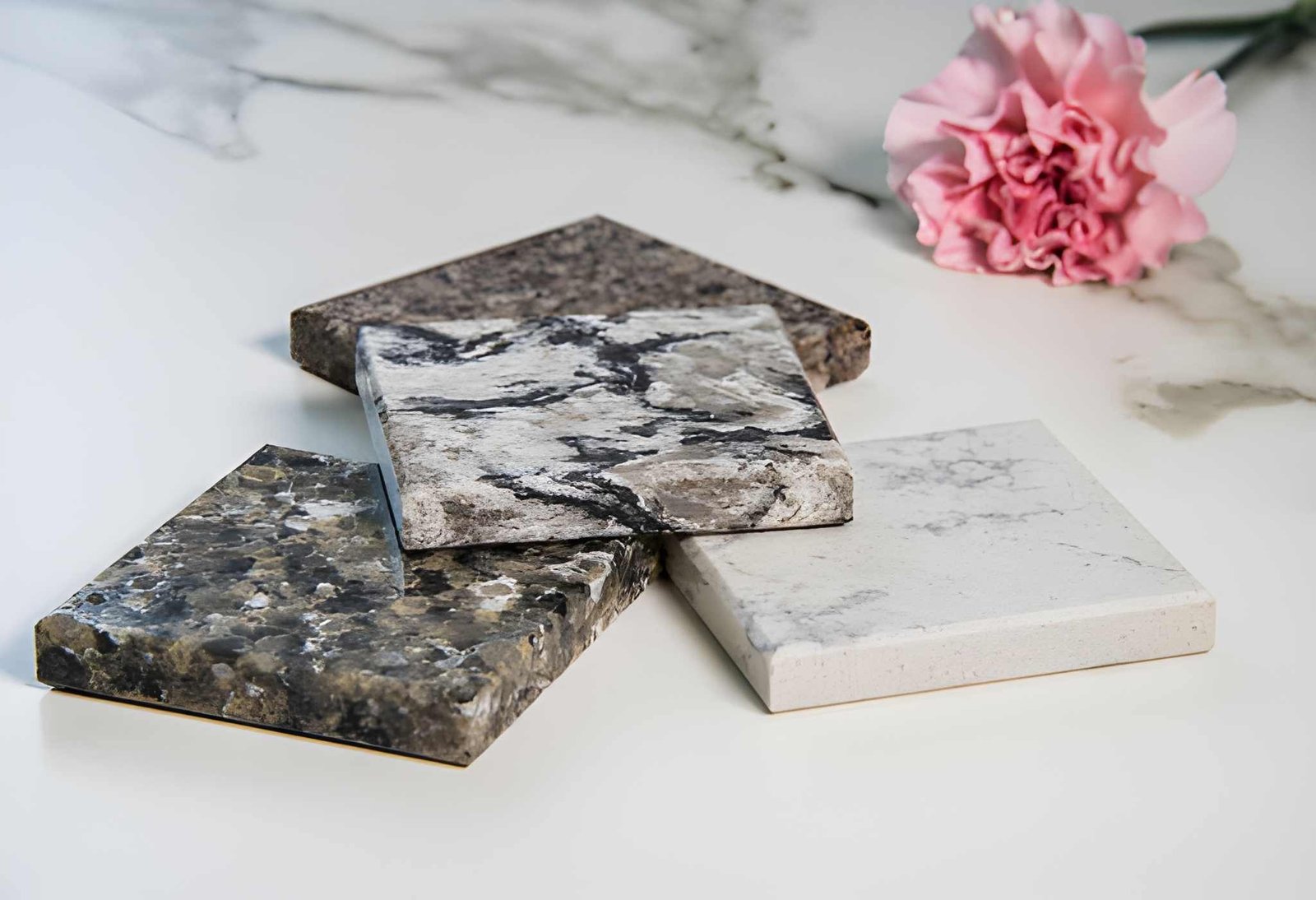
Choosing the right countertop is one of the most important decisions in any kitchen or bathroom design. Two of the most popular options today are Silestone quartz and granite. Both are premium materials, both look beautiful, and both are highly durable—but they perform very differently in daily use.
In this article, we’ll break down the differences in a simple way so you can decide which one is better for your space.
What is Silestone Quartz?
Silestone is a type of engineered stone made primarily from natural quartz crystals combined with resins and pigments. It is designed to deliver a consistent, non-porous surface that is highly resistant to stains and bacteria.
Unlike natural stone, Silestone is manufactured under controlled conditions, which means every slab has a uniform pattern and color.
Key idea:
Silestone = engineered quartz surface with predictable design and low maintenance.
What is Granite?
Granite is a 100% natural stone formed deep inside the earth over millions of years. It is mined in large blocks, cut into slabs, and polished for use in kitchens and bathrooms.
Every granite slab is unique—no two pieces look exactly the same.
Key idea:
Granite = natural stone with unique patterns and organic beauty.
Silestone vs Granite: Main Differences
Let’s compare both materials in the most important categories.
1. Appearance
- Silestone quartz: Clean, modern, and uniform. Ideal for minimalist and contemporary kitchens.
- Granite: Natural, rich, and unique patterns. Perfect for luxury or traditional designs.
If you want consistency → Silestone
If you want natural character → Granite
2. Maintenance
- Silestone quartz: Very low maintenance. No sealing required.
- Granite: Needs sealing every 1–2 years to prevent stains.
This is one of the biggest differences. Silestone is designed for convenience, while granite requires a bit of care over time.
3. Durability
Both materials are strong, but they behave differently:
- Silestone quartz: Highly scratch-resistant and non-porous. However, it can be sensitive to very high heat.
- Granite: Extremely strong and naturally heat-resistant, making it better for hot pots and pans.
4. Stain Resistance
- Silestone quartz: Very high stain resistance because it does not absorb liquids.
- Granite: Resistant when sealed properly, but unsealed granite can absorb oil, wine, and coffee.
Winner for stain resistance: Silestone
5. Heat Resistance
- Silestone quartz: Moderate heat resistance. Hot cookware should not be placed directly on it.
- Granite: Excellent heat resistance. It can handle high temperatures better.
Winner for heat resistance: Granite
6. Hygiene and Safety
- Silestone quartz: Non-porous surface prevents bacteria growth.
- Granite: Slightly porous unless sealed, so it may absorb moisture over time.
Winner for hygiene: Silestone
7. Cost
- Silestone quartz: Usually more expensive due to manufacturing process.
- Granite: Often slightly more affordable depending on quality and origin.
However, pricing varies widely based on color, thickness, and installation.
Pros and Cons Summary
Silestone Quartz Pros
- Low maintenance
- No sealing required
- Stain-resistant
- Modern and consistent design
- Hygienic surface
Silestone Quartz Cons
- Not ideal for very high heat
- Can be more expensive
- Less natural variation
Granite Pros
- Natural and unique beauty
- Excellent heat resistance
- Strong and durable
- Often more budget-friendly
Granite Cons
- Needs periodic sealing
- Can stain if not maintained
- Slight variation in quality between slabs
Which One Should You Choose?
The right choice depends on your lifestyle and design preference.
Choose Silestone Quartz if:
- You want a modern, clean look
- You prefer low maintenance surfaces
- You don’t want to worry about sealing or stains
- Your kitchen is high-traffic and used daily
Choose Granite if:
- You love natural stone aesthetics
- You frequently cook with hot pans
- You prefer unique, one-of-a-kind patterns
- You don’t mind occasional maintenance
Final Thoughts
Both Silestone quartz and granite are excellent countertop materials. There is no universal “best” option—it all comes down to how you use your space.
If convenience and cleanliness matter most, Silestone is a strong choice. If natural beauty and heat resistance are your priority, granite remains a timeless favorite.
For more countertop guides and material comparisons, you can explore more articles on your website: opalyquartz.com.


Leave A Comment